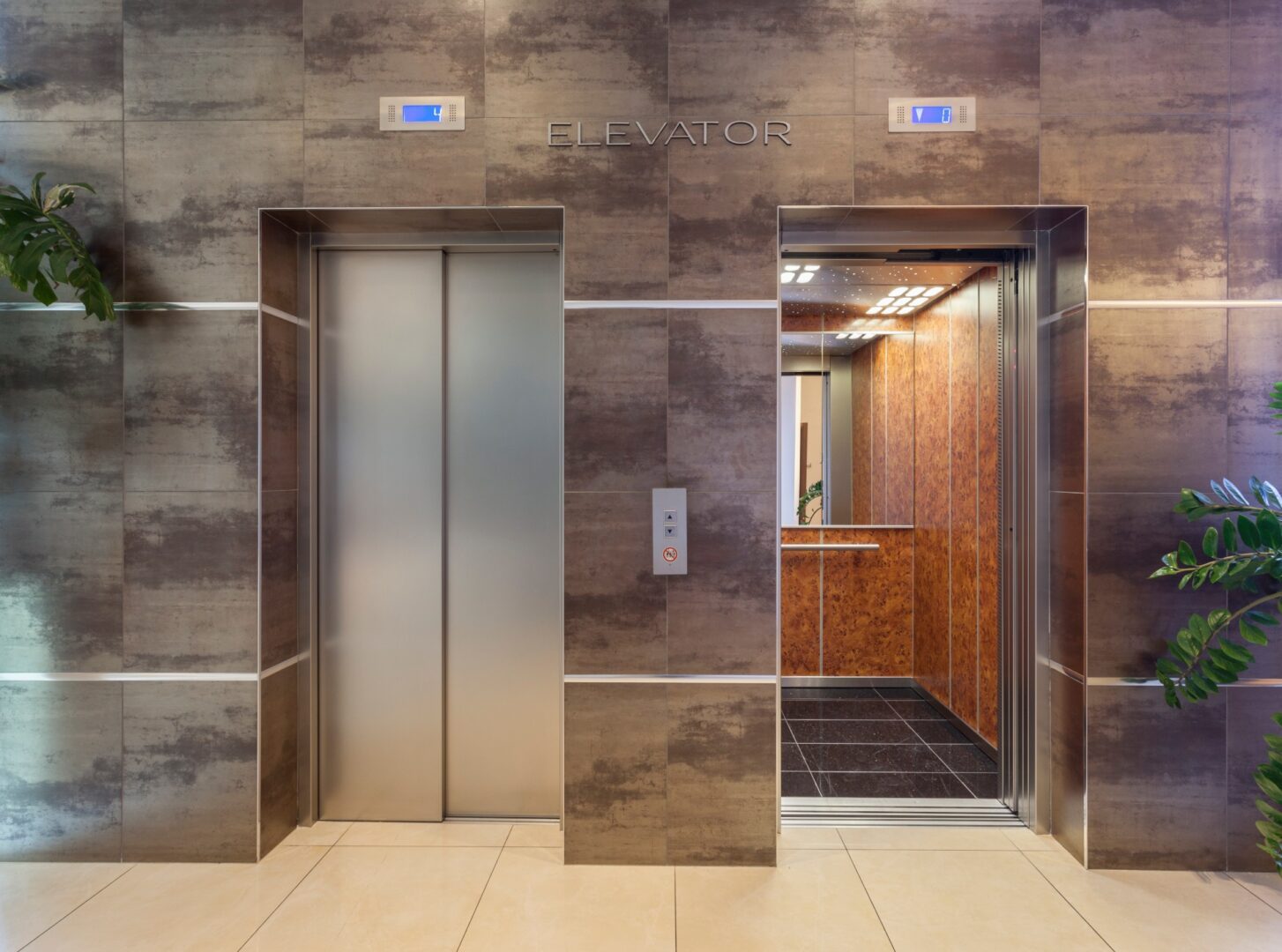
An elevator interior is one of the most frequently handled rooms in a building. Residents, tenants, visitors, deliveries, carts, luggage, and maintenance crews all pass through the same compact space. Wear is inevitable, but certain symptoms indicate that cleaning and isolated touch-ups are no longer enough.
Recognizing those signs early gives a board or manager time to compare repair, refinishing, and replacement before damage spreads or the cab becomes a persistent source of complaints.
Scratched or dented elevator walls and doors
Light scratches in stainless steel may be candidates for professional re-graining, depending on finish direction and depth. Random polishing can create a brighter patch that looks worse than the original mark, so repair should match the surrounding grain. Deep dents, stretched metal, damaged panel cores, or loose attachments may require selective replacement.
Door surfaces deserve particular care because they move, align closely, and sit near operational equipment. A scratched stainless steel elevator door can sometimes be refinished, but damage affecting movement or alignment should first be reviewed by the appropriate elevator maintenance professional.
Peeling, bubbling, or loose wall panels
Peeling laminate, lifted veneer, bubbling finishes, and panels that move under light pressure are more than cosmetic issues. They can signal adhesive failure, impact damage, moisture, or a compromised substrate. Reattaching a finish without addressing the cause may only postpone the problem.
A survey can determine whether the panel can be rebuilt or refaced, or whether a new removable panel system is more appropriate. Durable edge details and replaceable sections can make future maintenance easier in high-traffic cars.
Graffiti and repeated vandalism
Marker, scratching, etching, and impact damage require different responses. Some markings can be removed or refinished; deep etching and gouges may remain visible without replacing the affected face. If vandalism is recurring, the renovation should consider repairable finishes, replaceable panel sections, camera sightlines, and protective rails rather than simply recreating the same vulnerable assembly.
Dated lighting and finishes
An elevator can feel old even when its surfaces are intact. Dim or uneven fluorescent lighting, heavy ceiling grids, mismatched metals, dark wall panels, and worn flooring can make the space feel smaller and less cared for. Updated LED lighting and a coordinated palette can improve clarity without turning the cab into a trend-driven design that dates quickly.
Material choices should relate to the lobby and corridors while standing up to closer contact. Co-op and condo boards often benefit from comparing a restrained base palette with one or two distinctive details rather than combining too many competing finishes.
The interior no longer supports the building's first impression
The cab is part of the arrival sequence. In a residential building, it influences how residents, prospective buyers, guests, and brokers experience the property. In an office or hotel, it shapes the transition between the lobby and every occupied floor. A neglected interior can undercut improvements made elsewhere in the building.
Renovation should still be practical rather than purely decorative. Better lighting, intact panels, clean reveals, comfortable handrails, and a floor suited to traffic often contribute more than an elaborate finish that is difficult to maintain.
Repair now or plan a complete renovation?
Localized, recent damage may justify a focused repair. Multiple symptoms across walls, flooring, ceiling, and lighting usually point toward a coordinated renovation. The age of the finishes, availability of matching material, and condition behind the visible surface all affect that choice.
Document the symptoms, identify what occupants notice most, and schedule a field assessment. A clear retain-repair-refinish-replace plan helps the building solve the immediate problems without discarding sound components or postponing failures that need a lasting fix.