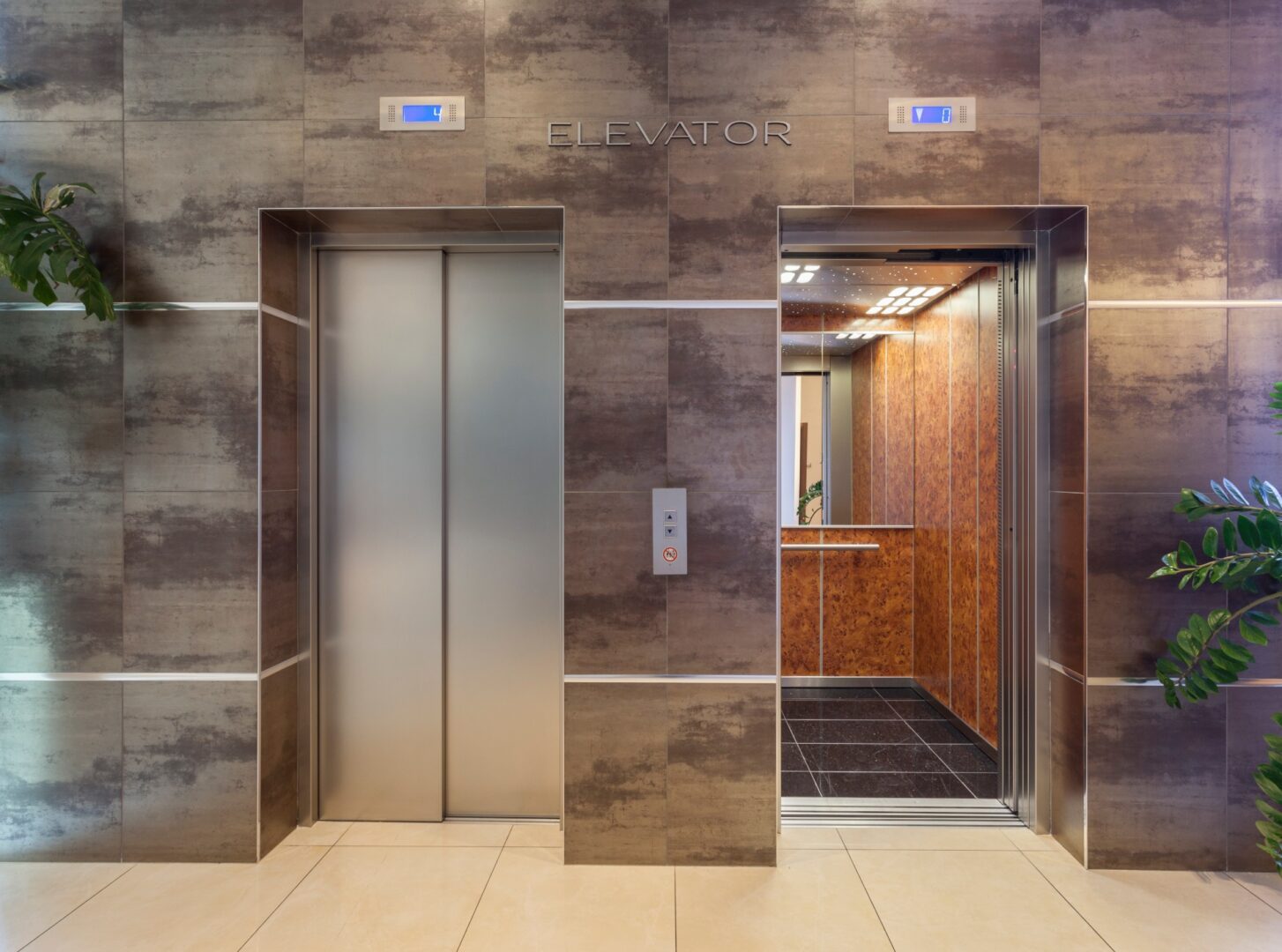
A dated elevator interior does not automatically need to be stripped to the shell. Many cabs contain sound panels, metal doors, trim, or millwork that can be repaired and refinished. Others have damage, loose substrates, mismatched alterations, or an outdated layout that makes replacement the more responsible choice.
The best elevator interior renovation often combines both approaches. A condition-led plan can preserve valuable material, replace what has failed, and direct the budget toward changes occupants will notice.
When restoration and refinishing make sense
Restoration is a strong option when the existing assembly is secure and the damage is mainly cosmetic. Scratches, uneven sheen, oxidation, minor surface wear, and tired wood finishes may be corrected without discarding the underlying component. Stainless steel can be re-grained, bronze or brass can be restored, and millwork can sometimes be repaired and refinished.
This path is especially useful when the interior has proportions or details worth retaining. It can also limit demolition inside an occupied building and reduce the volume of new material required. The decision should follow an in-person review because photographs rarely show substrate condition, panel movement, or the depth of a dent.
When full or selective replacement is justified
Replacement becomes more practical when panels are warped, delaminating, repeatedly repaired, or no longer securely attached. Deeply dented walls, damaged cores, moisture intrusion, and obsolete ceiling systems may also make refinishing a temporary answer rather than a durable one.
A full replacement can reset the visual language of the cab and coordinate new wall panels, ceiling, lighting, flooring, handrails, trim, and protective details. Selective replacement sits between the two choices: retain sound door skins and metal trim, for example, while rebuilding worn wall panels and the ceiling.
Compare cost over the life of the interior
Refinishing typically uses less new material and can shorten the installation scope, but it only creates value when the retained parts are stable. Paying to refinish a failing panel can lead to another intervention sooner than expected. Conversely, replacing sound metalwork simply because it is scratched can spend money without improving performance.
Ask for a scope that identifies each component as retain, repair, refinish, or replace. That framework makes bids easier to compare and helps a board understand where the budget is going. Material durability, ease of future repair, and the building’s delivery traffic matter as much as the first-day appearance.
Plan for disruption, approvals, and building rules
Occupied co-ops, condos, offices, and hotels need a clear sequence for protection, fabrication, delivery, and installation. Off-site fabrication can reduce the time spent working in the building. The schedule should account for elevator availability, resident or tenant notices, loading access, and coordination with elevator maintenance personnel where needed.
Manhattan buildings also require a proper Certificate of Insurance (COI) before work begins. Management should confirm its insurance language and access rules early, not after materials are ready. A complete proposal should define the scope, exclusions, site responsibilities, and expected installation sequence.
Choose the least disruptive solution that will last
Restore before replacing when the condition supports it, not as an absolute rule. The right decision is the one that resolves the actual damage, supports the desired design, and remains serviceable under the building’s real traffic. A mixed scope is often the clearest path: restored metal, new panels, updated lighting, and a floor selected for long-term maintenance.
A field survey and an itemized conversation give boards the evidence to choose confidently rather than defaulting to the largest scope.