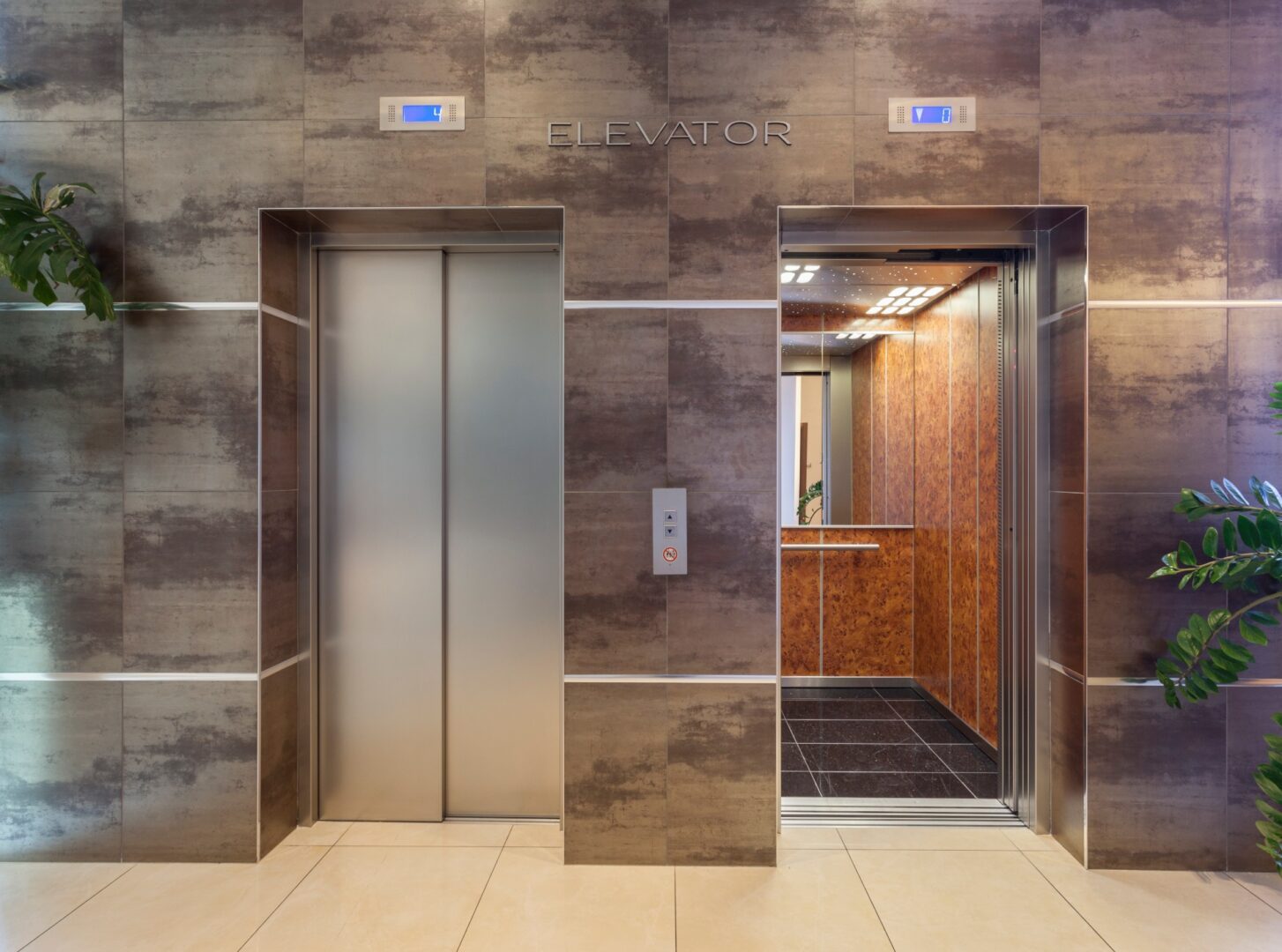
An elevator can look tired long before its operating equipment reaches the end of its useful life. Scratched panels, yellowed lighting, worn flooring, and dated trim shape a visitor’s impression in seconds, even when the car itself runs reliably.
For a co-op or condo board, the useful question is not simply how to replace the interior. It is what can be restored, which parts should be upgraded, and how those choices can work together as one durable design. A measured assessment usually reveals more options than an all-or-nothing makeover.
Start with condition, not appearance alone
Begin by separating cosmetic wear from damaged construction. Surface scratches in stainless steel may respond to professional refinishing, while deep dents, loose substrates, water damage, or failing attachment systems can call for replacement. Wood panels may be repairable if their cores are sound, even when the veneer or finish has faded.
The survey should also identify code devices, ventilation, clearances, removable access panels, and the weight of proposed materials. These details keep a visual upgrade from interfering with the elevator’s operation or future service access.
Refinish sound surfaces before replacing them
Refinishing can be the most efficient answer when the underlying panel, door skin, trim, or handrail is straight and secure. Scratched stainless steel can often be re-grained; bronze and brass can be cleaned and restored; wood can sometimes be repaired and refinished. This approach reduces demolition, material waste, and installation time while preserving elements that already fit the cab.
Restoration is not a shortcut. The finish must suit daily contact, cleaning products, carts, deliveries, and the building’s traffic. A sample or mockup helps the board compare sheen, grain direction, and color before the full scope begins.
Update the components that make the room feel dated
Elevator interiors are small, so every surface contributes to the result. A successful renovation coordinates the walls, ceiling, light, floor, and touchpoints rather than treating each as a separate purchase.
Wall panels
Wall panel replacement can introduce durable wood veneer, laminate, glass, metal, or a layered combination. If existing panels are sound, new faces, repaired trim, or selective refinishing may create the change the board wants without rebuilding the entire enclosure.
Ceiling and lighting
A ceiling upgrade can remove visual weight and improve illumination. Warm, efficient LED lighting usually makes finishes read more accurately than aging fluorescent fixtures. The layout must still account for emergency lighting, ventilation, access, and available overhead clearance.
Flooring and handrails
Flooring should be selected for traffic, maintenance, slip resistance, and weight—not color alone. Handrails and bumper rails can be refinished or replaced to align with the new palette. Because these elements receive constant contact, comfortable profiles and repairable finishes matter.
Build one plan before choosing individual finishes
Collecting unrelated samples can produce a cab that feels pieced together. Instead, agree on priorities: preserve character, brighten the interior, withstand deliveries, simplify maintenance, or create a stronger arrival experience. Then develop a coordinated material palette and define what will be restored, repaired, or replaced.
The result does not need to be extravagant to feel new. Crisp lighting, consistent metalwork, repaired surfaces, aligned reveals, and a floor suited to the building can make a substantial difference. A site review turns those ideas into a practical scope and budget.